Energy and Power
Advice how to calculate the power loss inside the low voltage switchboard
In order to give the necessary indications on the methods intended to calculate power loss and improve the current carrying capacity of the circuit breakers inside LV switchboard, first of all it is necessary to analyze an assembly from a… Read more
Sep 30, 2016 | By Edvard Csanyi

Electrical Lectures
6 transformer operating limitations that make it far from ideal
There are few operating limitations that make transformer far from ideal. Generally, some of transformer operating limitations can be minimized, but not in total, never in total. Let’s talk about these limitations. Transformer losses (Heat) Copper (or winding) losses Iron… Read more
Sep 28, 2016 | By Edvard Csanyi

Industrial Automation
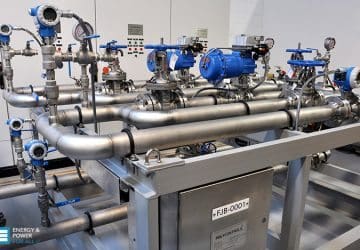
Installing Sensors Incorrectly As a Mistake #2 In Instrumentation
Generally speaking, there are four ‘Poors’ that can lead to incorrectly installing instrumentation sensors: Poor placement Poor control Poor protection Poor grounding Each of above sensor ‘poors’ are described below, and by the way… have you read what is the mistake No.1… Read more
Aug 21, 2015 | By Edvard Csanyi
Electrical Lectures
2 Most Common Contributing Factors In Motor Insulation Failure
The most frequent failure in electrical equipment is the degradation and breakdown (flashover) of the insulation. Electrical insulation can be liquid or solid, organic or inorganic. Organic insulation material consists of: enamels, varnishes, resins, or polymers that are applied to the steel surface to provide… Read more
Jun 25, 2014 | By Edvard Csanyi

Electric Motor
Heat as one of the most common cause of motor failure
Heat is the most common cause of motor failure before reaching rated service life. Every increase of 10 degrees Centigrade of a motor’s windings above its design operating temperature cuts the life of the motor’s windings insulation by 50 percent,… Read more
Nov 22, 2013 | By Edvard Csanyi

Energy and Power
Natural Ventilation Of Power Substation
The operation of a system of natural ventilation is as a result of a decrease in air density as its temperature is raised due to the heat gain from various sources. This decrease in air density causes a pressure differential… Read more
Oct 18, 2013 | By Edvard Csanyi

Electrical Lectures
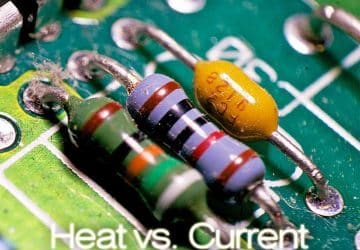
Heat vs. Current in a Resistor
It is converted from one form to another. One of the most familiar forms of energy is heat. When a current (I) is forced through a resistor (R) by applying a potential (V), the electrical energy is converted to heat… Read more
Oct 04, 2013 | By Edvard Csanyi
Electric Motor
Keeping Motor At Correct Temperature When Connected To a Frequency Converter
When a motor is connected to a frequency converter it must be kept at the correct temperature, and this is subject to two types of influence: If the speed decreases, the cooling air volume goes down. If a non-sinusoidal motor… Read more
Jul 05, 2013 | By Edvard Csanyi

Energy and Power
A Few Words About Battery Hazards and Why They Happen
Because batteries store large amounts of energy, there are certain hazards that are associated with battery operation. These hazards must be fully understood to ensure safe operation of batteries. Cell short circuits can be caused by several conditions, which include… Read more
Jul 03, 2013 | By Edvard Csanyi

Energy Efficiency
Brightness, Lamp Life and Efficiency of LED Fixtures
A typical LED fixture comprises four major component parts: an LED emitter, the fixture’s heat sink, driver and dimming control, and augmenting optics. The emitter includes the die, a thermal heat sink, lens, and outer package (Figure 1). The die… Read more
Jan 03, 2013 | By Edvard Csanyi

Transformers
Heating of the Dry-type Transformer
Although transformers can be classified by core construction (shell or core type), the more functional types of standardized classifications are based on how the transformer is designed for its specific application, and how the heat created by its losses is… Read more
Oct 15, 2012 | By Edvard Csanyi
Energy and Power
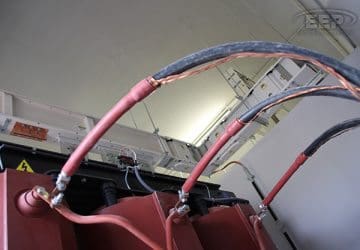
Transformer Heat, Copper and Iron Losses
The thermal ratings of a transformer are determined by the following three factors: The amount of heat produced in the windings and connections. The amount of heat produced in the iron core. How effectively the heat can be removed from… Read more
Sep 06, 2012 | By Edvard Csanyi

Energy and Power
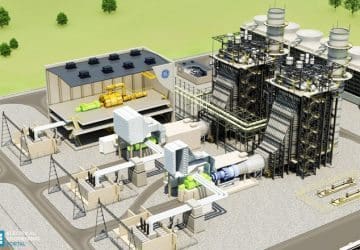
An Overview of Combined Cycle Power Plant
The Combined Cycle Power Plant or combined cycle gas turbine, a gas turbine generator generates electricity and waste heat is used to make steam to generate additional electricity via a steam turbine. The gas turbine is one of the most… Read more
Aug 25, 2012 | By vinod ramireddy
Geothermal Energy
How a Geothermal Plant Works?
Understanding geothermal energy begins with an understanding of the source of this energy – the earth’s internal heat. The Earth’s temperature increases with depth, with the temperature at the center reaching more than 4200 °C (7600 °F). A portion of… Read more
Dec 10, 2011 | By Edvard Csanyi
Transformers
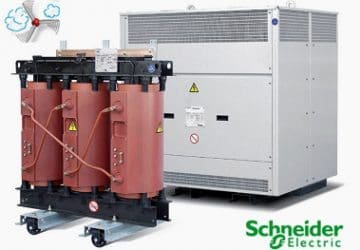
Forced ventilation cycles in Trihal transformers
Transformers, when in operation, are subject to no-load losses and load losses. This energy causes a rise in the temperature of the transformer’s active part, i.e. the magnetic core and the windings. It is therefore normal for the transformer to… Read more
Oct 22, 2011 | By Edvard Csanyi