Energy and Power
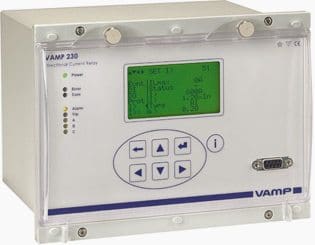
System protection and safety coordination definitions
The objective of system protection is to detect faults and to selectively isolate faulted parts of the system. It must also permit short clearance times to limit the fault power and the effect of arcing faults. High power density, high… Read more
Apr 16, 2012 | By Edvard Csanyi
Electric Motor
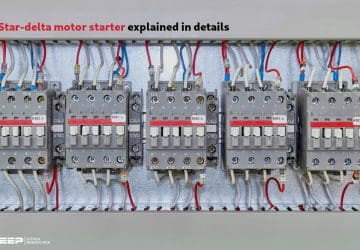
Star-delta motor starter explained in details
Where is Star-Delta motor starter used? Well, the majority of induction motors are started directly on line (DOL), but when very big motors are started in this manner, the large starting current surges produce a disruption in the voltage on… Read more
Apr 10, 2012 | By Jignesh Parmar
High Voltage
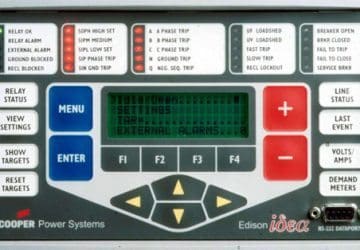
Protection and Relays Used In Main Circuit Board at a Power Grid Substation
The DMH type relay provides high speed biased differential protection for two or three winding transformers. The relay is immune to high inrush current and has a high degree of stability against through faults. It requires a max of two… Read more
Feb 17, 2012 | By Bipul Raman
High Voltage
Protection Of Generators And Transformers
As Generators and transformers are major components of a power system, so it is quite necessary to take all the preventive measures for the protection of transformers and generators. These are the following ways (ANSI codes) we use to protect… Read more
Feb 11, 2012 | By Bipul Raman

High Voltage
Ceramic (Porcelain and Glass) Insulators
Porcelain is the most frequently used material for insulators. Insulators are made of wet, processed porcelain. The fundamental materials used are a mixture of feldspar (35%), china clay (28%), flint (25%), ball clay (10%), and talc (2%). The alternative method… Read more
Jan 27, 2012 | By Edvard Csanyi

Energy and Power
Operation Of Potentially Explosive Installations – The Directive 99/92/EC
In addition to the 94/9/EC Directive, which regulates how explosion protected equipment and protective systems are placed on the market and the design, construction and quality requirements to be met by them, the 99/92/EC Directive stating “Minimum requirements for improving the health and safety protection… Read more
Jan 09, 2012 | By Edvard Csanyi
Energy and Power
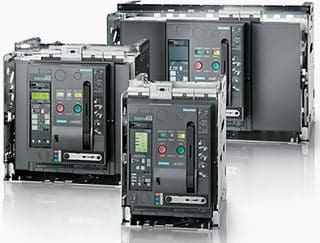
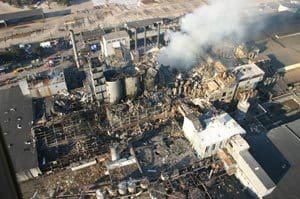
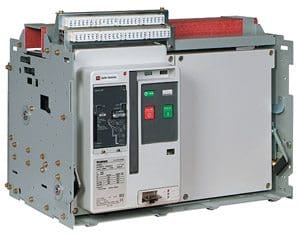
The Need for Breaker Failure Protection
Circuit breakers are strategically located in power systems to connect circuits and electrical apparatus. Circuit breakers are commanded to open and close by protection and control systems that monitor conditions on the power system. Protection systems are coordinated so that… Read more
Jan 01, 2012 | By Edvard Csanyi
Protection
Transformer Protection – Abstract from NEC
According to NEC 450.4, “each transformer 600 volts, nominal, or less shall be protected by an individual overcurrent device installed in series with each ungrounded input conductor.” Such overcurrent device shall be rated or set at not more than 125%… Read more
Dec 26, 2011 | By Jignesh Parmar
Energy and Power
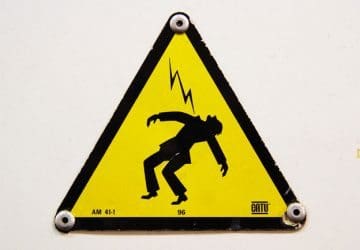
What psychological effect does an electric shock?
Most of us have experienced some form of electric ”shock”, where electricity causes our body to experience pain or trauma. If we are fortunate, the extent of that experience is limited to tingles or jolts of pain from static electricity… Read more
Dec 25, 2011 | By Edvard Csanyi
Electric Motor
Motor starting problem and high motor inrush currents
Electric motor protection device depends on the accurate and correct selection of overload(s), fuses and/or circuit breakers. Over the years the protective devices have been selected according to the applicable code requirements with only minimal nuisance tripping. However, in recent… Read more
Dec 23, 2011 | By Edvard Csanyi
Medium Voltage
Consequences of internal arc for personal safety and MV electrical equipment
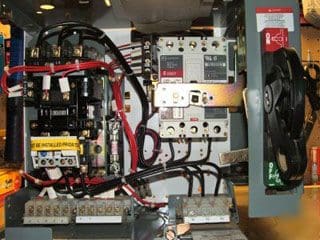
The aim of this article is to describe the internal arc phenomenon, its consequences for safety, current methods of limiting them and current regulations in general for equipment used in medium-voltage electrical distribution networks. Internal arcs can occur in electrical… Read more
Dec 23, 2011 | By Edvard Csanyi

Energy and Power
What is HIPOT Testing (Dielectric Strength Test)?
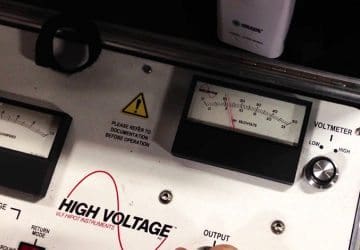
Hipot Test is short name of high potential (high voltage) Test and it is also known as Dielectric Withstand Test. A hipot test checks for “good isolation”. Hipot test makes surety of no current will flow from one point to… Read more
Dec 22, 2011 | By Jignesh Parmar
Electrical Lectures
Earthing in electrical network – purpose, methods and measurement
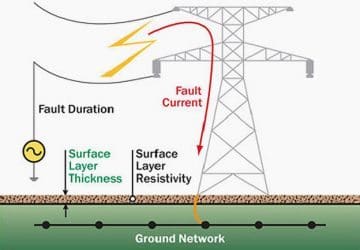
The main reason for doing earthing in electrical network is for the safety. When all metallic parts in electrical equipment are grounded then if the insulation inside the equipment fails there are no dangerous voltages present in the equipment case…. Read more
Dec 19, 2011 | By Jignesh Parmar
Energy and Power
Transient Voltage Surge Suppressors
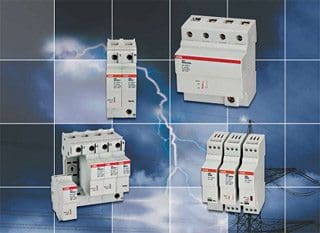
Transient Voltage Surge Suppressor (TVSS) is a device that every data center or mission critical facility should have. Why should every data center have one and what does it do you ask? The purpose of a TVSS is to eliminate… Read more
Dec 01, 2011 | By Edvard Csanyi
Protection
Transformer and Transformer-Feeder Protection
The development of modern power systems has been reflected in the advances in transformer design. This has resulted in a wide range of transformers with sizes ranging from a few kVA to several hundred MVA being available for use in… Read more
Nov 30, 2011 | By Edvard Csanyi