


Estimated Study Time: 42 minutes
Substations Design & Technology
The design of substations is to deliver a cost-effective solution that, to the extent feasible, exhibits high availability, reliability, and operational flexibility. This rule applies to both newly constructed and 40-year-old substations from a utility standpoint. Although this is feasible, it results in a significant cost.
 New Substation Technologies You Should Know About
This technical article emphasizes the issues faced by operating substations currently and in the future.
We all are whitnesses that the power industry is undergoing extraordinary transformations, necessitating a response within much reduced timeframes compared to previous norms.
External factors, like natural cyclical climate change, network liberalization, and deregulation, are more significant than ever and collectively drive transformation inside transmission and distribution systems.
This technical article outlines power system technologies and categorize them accordingly. It does not offer a recommendation regarding the solution’s applicability, but rather indicates the range of applications for which the technology has been utilized.
Third domain is about the MV/HV switchgear desing and the advancements in this field which cover AIS, GIS and mixed technology.
Finally, fourth doman covers Substation Automation Systems (SAS) and the functionalities that manufacturers are integrating into modern Intelligent Electronic Devices (or shorten IEDs) and other microprocessors-based control and monitoring devices.
The range of advancements is extensive, encompassing equipment compaction, power electronics applications, newest communication architectures, substation automation, and emerging technological paradigms like superconductivity.
- Decentralized and Renewable Energy Generation:
- Power System Applications:
- Advancements in Switchgear Design:
- Substation Automation Systems (SAS):
- Attachment (PDF) 🔗 Download ‘Practical Power System Operation Guide’
1. Decentralized and Renewable Energy Generation
This is a vast and evolving topic encompassing household micro-generation to offshore wind farms. The characteristics of the generation technology, voltage level, and location will generate varying situations. The tendency towards remote generation sites presents numerous system challenges, including the characteristics of transmission to load centers and the supply of services and maintenance, which will dictate the sort of solution implemented.
The increased utilization of dispersed distributed generation may mitigate voltage control issues within the primary interconnected network; however, remote generation, potentially offshore, will necessitate additional reactive compensation to facilitate transmission to load centers.
The future of HVDC appears promising as economic considerations and right-of-way challenges necessitate increased power transmission through either already existing routes or the justification of new underground installations.
Figure 1 – HVDC converter station

1.1 Distributed Generation
Distributed generation can manifest in various forms, including wind energy, photovoltaics, small diesel generators, and fuel cells. Generation may be interconnected at various voltage levels inside the distribution network and may be either three-phase or single-phase connected.
This results in a variety of effects on system performance, including voltage regulation, voltage imbalance, harmonics, frequency variation, power flow direction, short circuit current levels, and fault detection.
Monitoring and deep understanding of distributed generation are essential for managing network operations, particularly for system contingencies. Wide area management and protection is often proposed as a potential answer to these challenges; nevertheless, except for special protection schemes (inter-tripping), its application remains exceedingly limited.
Numerous integration challenges pertain to power electronics in reactive compensation, Custom Power, and HVDC, each of which use power electronics to differing extents.
Figure 2 – A modern power system with integrated distributed generation

1.2 Wind Turbine Technology
The wind turbine technology utilized shall determine the dynamic response to control network disturbances and the necessary protection and control measures to ensure a stable grid connection.
Although several countries own distinct connection codes, challenges related to fault ride-through capabilities, intermittency, and compliance are prompting the industry to innovate. Dynamic compensation is typically essential for managing these contingencies, either via turbine control or external power electronics such as SVC or STATCOM.
Quality of supply concerns must be meticulously controlled as wind farms and distributed energy supplies progressively increase.
Key impacts to the substation design
- AC or DC interface with existing network, depending on size and distance.
- Require new connection infrastructure and communications.
- Grid compliance may be necessary for larger generation at point of connection. This may require additional reactive compensation.
- Need to review tolerance of new protection and control settings to system fluctuations.
- May require Wide Area Control (WAC) and monitoring to enable TSO to manage transmission planning, post fault coordination.
Figure 3 – Wind farm substation

1.3 Distributed Solar Generation
In contrast to centralized power generation at large power plants, distributed solar generation (DSG) systems are small-scale and situated at or near customers, exemplified as rooftop photovoltaic (PV) systems. DSG has gained significant popularity over the past 10 years because to its several advantages.
It delivers clean and sustainable energy. It is also economically viable in areas with a surplus of solar energy. Improvements in photovoltaic technology and production have enhanced their cost-effectiveness.
DSG is capable of energizing regions that are separated from power sources.
It can enhance power reliability as a supplementary energy source. Remeber, only as a supplementary energy source. In summary, DSG provides numerous advantages to individual adopters and the overall electric power system.
Further Study – 60 MW grid tied solar power plant with 115 kV/34.5 kV substation
60 MW grid tied solar power plant with 115 kV/34.5 kV substation
1.4 Energy Storage Technology
Energy storage is often proposed as a solution to intermittency or system islanding during unfavorable network conditions. The selection of technique will be determined by response time and capacity considerations. This is a substantial and specialized topic; however, in instances when power electronic interfaces are required, certain rules may be applied in the context of Superconducting Magnetic Energy Storage (SMES), chemical energy storage (such as redox-flow and NaS batteries), and flywheels.
In many instances, energy storage will be regarded as a generating source, necessitating the resolution of numerous concerns related to generator compliance.
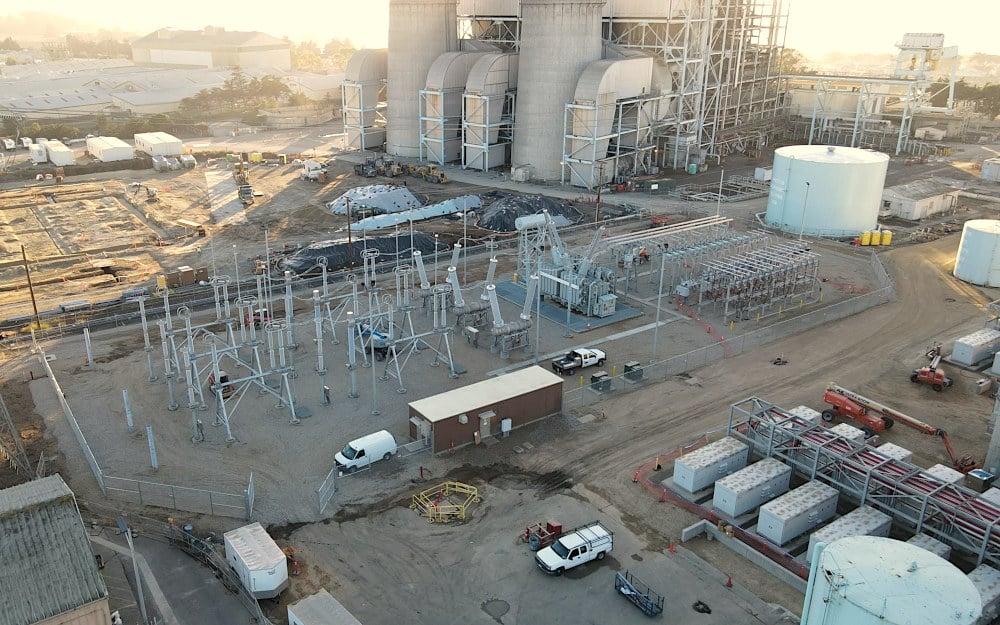
Figure 4 – 400MW 500kV BESS Collection Substation – Four 34.5kV Feeder’s
1.4.1 Battery Energy Storage Systems (BESS)
The existing operation mandate of most electric networks is based on the principle of supply meeting the load demands instantaneously, from generation networks to control Centres.
Operations are based on the configuration of networks, to ensure optimal energy flow, to minimize technical losses by maintaining the balance between power in and power out across the entire network and maintain an effective quality of supply to all parts of the network under normal and abnormal conditions in real-time.
Battery energy storage system (BESS) is the fundamental factor to obtain the best possible control and operation of distribution networks, due to its capability to store, supply and adjust power capacity in the system.
BESS can contribute to minimizing the ever-increasing energy shortage and environmental pollution problems; and can also enable for distribution networks to have flexible power management allowing the load to be supplied by the substation or BESS.
Watch Video – BESS single-line diagram
There is an increase in the integration of energy storage systems in distribution networks, with the hope of the storage systems offering more technical, economic and environmental solutions. These solutions include improving the power quality, reducing voltage variance, frequency regulation, load shifting and levelling and reducing outage costs.
The main aim of installing BESS in distribution networks is to effectively relieve the problems posed by sudden and unexpected load changes, interruptions that occur at transmission or distribution systems, and most importantly to assist distribution network utilities to provide power demands reliably.
Misallocating BESS in distribution network buses can degrade power quality supplied to customers and reduce the reliability of load control while also affecting voltage and frequency regulation.
Figure 5 – 10MW battery energy storage (photo #1)
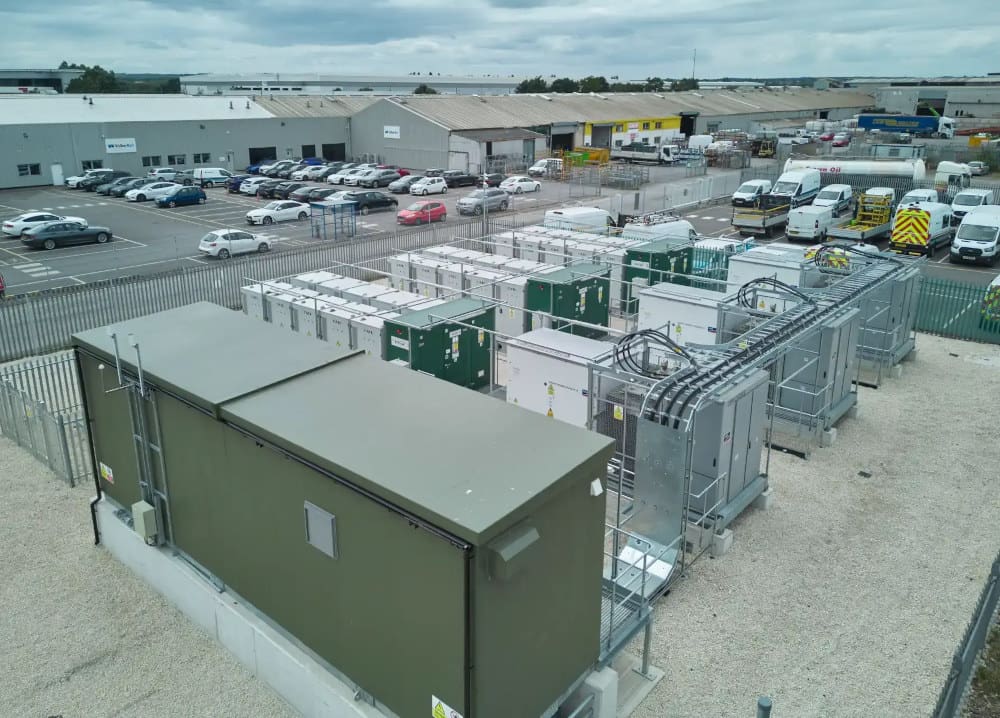
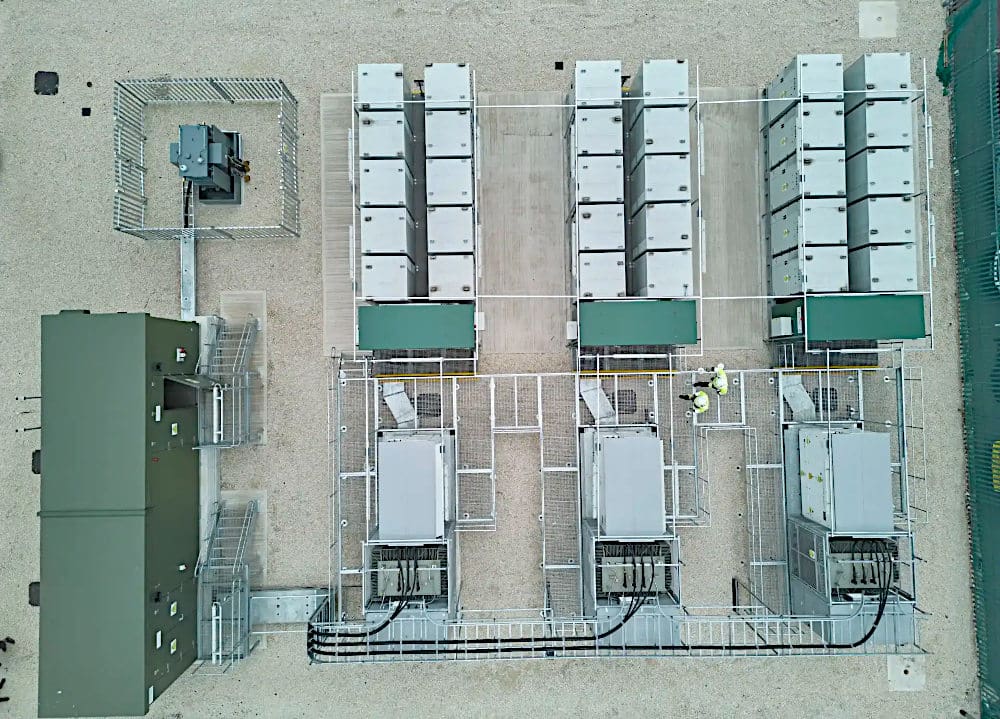
Figure 6 – 10MW battery energy storage (photo #2)
2. Power System Applications
A wide array of equipment, encompassing both conventional and power electronic technologies, can assist a utility in enhancing the capacity of existing circuits (series compensation), optimizing power distribution throughout the network (phase-shifting transformers), or improving system conditions (reactive compensation).
In instances where additional capacity is required, options like as HVDC, gas-insulated lines, gas-insulated transformers, or potentially superconductivity may be evaluated.
2.1 Reactive Compensation
Voltage control is a comprehensive domain that addresses both steady-state and dynamic system conditions. The evolving characteristics of generation and its geographical placement will significantly influence the design of substations required to meet demand, particularly when situated at a distance from the generator’s point of connection.
Relocatable reactive compensation may be necessary to validate the spending.
In areas utilizing multiple reactive compensation equipment, meticulous calculations of the dynamic control settings is essential to prevent hunting or inadequate reaction during system disturbances. The use of reactive compensation may elevate the likelihood of resonances inside the network, but low-loss design equipment decreases resistance in the system, thus minimizing damping.
Figure 7 – Installation of new reactive power compensation on power grid

2.1.1 Reactive Power Compensation at the Customer Load
(a) Power Factor Correction
The majority of industrial loads have lagging power factors. If a customer’s lagging reactive power is excessive, the load current through substations will go above expectations, exceeding the rated current and potentially resulting in losses within the substations.
Related electrical guides & articles


Edvard Csanyi
Hi, I'm an electrical engineer, programmer and founder of EEP - Electrical Engineering Portal. I worked twelve years at Schneider Electric in the position of technical support for low- and medium-voltage projects and the design of busbar trunking systems.I'm highly specialized in the design of LV/MV switchgear and low-voltage, high-power busbar trunking (<6300A) in substations, commercial buildings and industry facilities. I'm also a professional in AutoCAD programming.
Profile: Edvard Csanyi