

Electrical Design Process
Electrical design is the process of creating graphical representations of the electrical system that capture the information obtained in the site evaluation and other analysis. The primary documents created on any project are the single line diagram and the electrical site plan. Two sets will normally be created to show the existing system and what is proposed to be removed or added.

Existing structure drawings should be created early on; however, the drawings for proposed systems will have to wait on decisions from other team members, such as the civil engineers and architects. This is often an iterative process with the other deliverables of design.
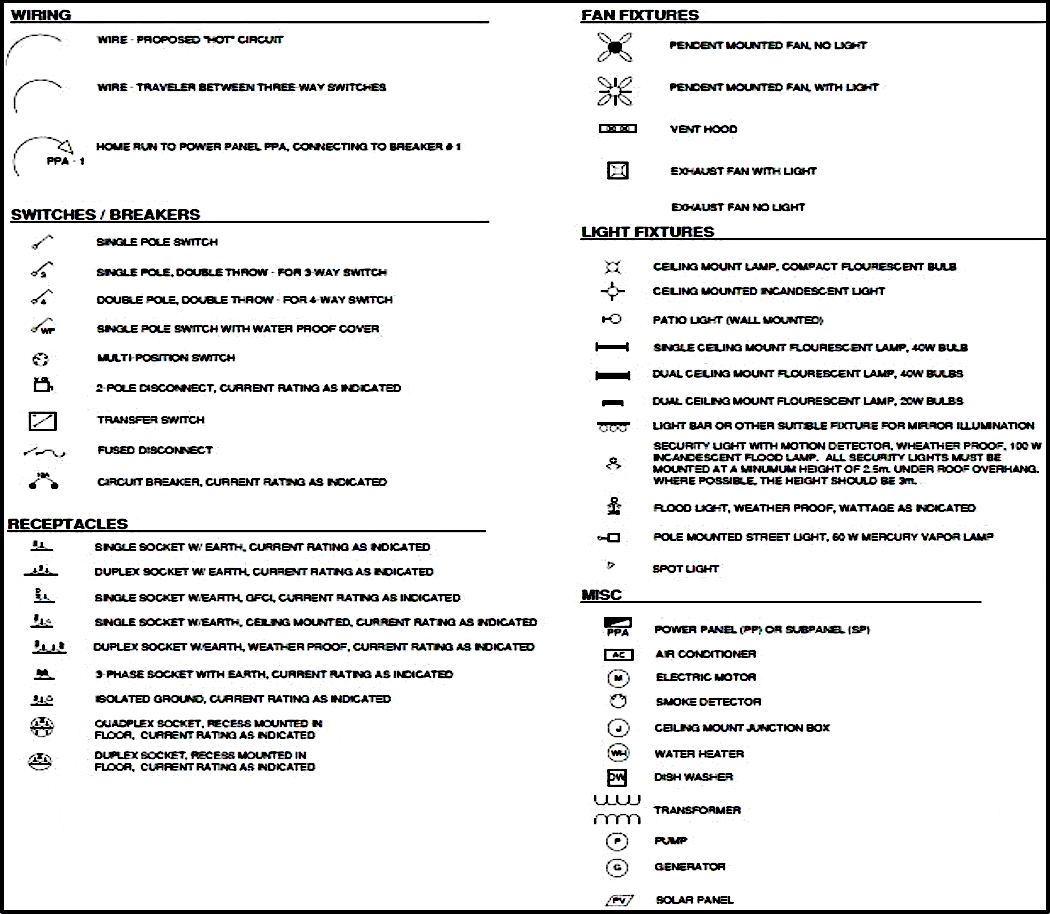
Figure 1 shows the standard symbols to depict the components of the electrical system. This is also available as a separate file in the supporting documents folder.
It is not an exhaustive list, so the designer may need to supplement. If so, new symbols must be defined on any drawings where they are used.
Figure 8 – Standard Electrical Symbols
Single Line Diagram
Electrical designers use the single line diagram to capture information on an existing power system and to communicate proposed modifications. The flow of electric energy should be down and to the right from power sources at the top of the page to loads at the bottom.
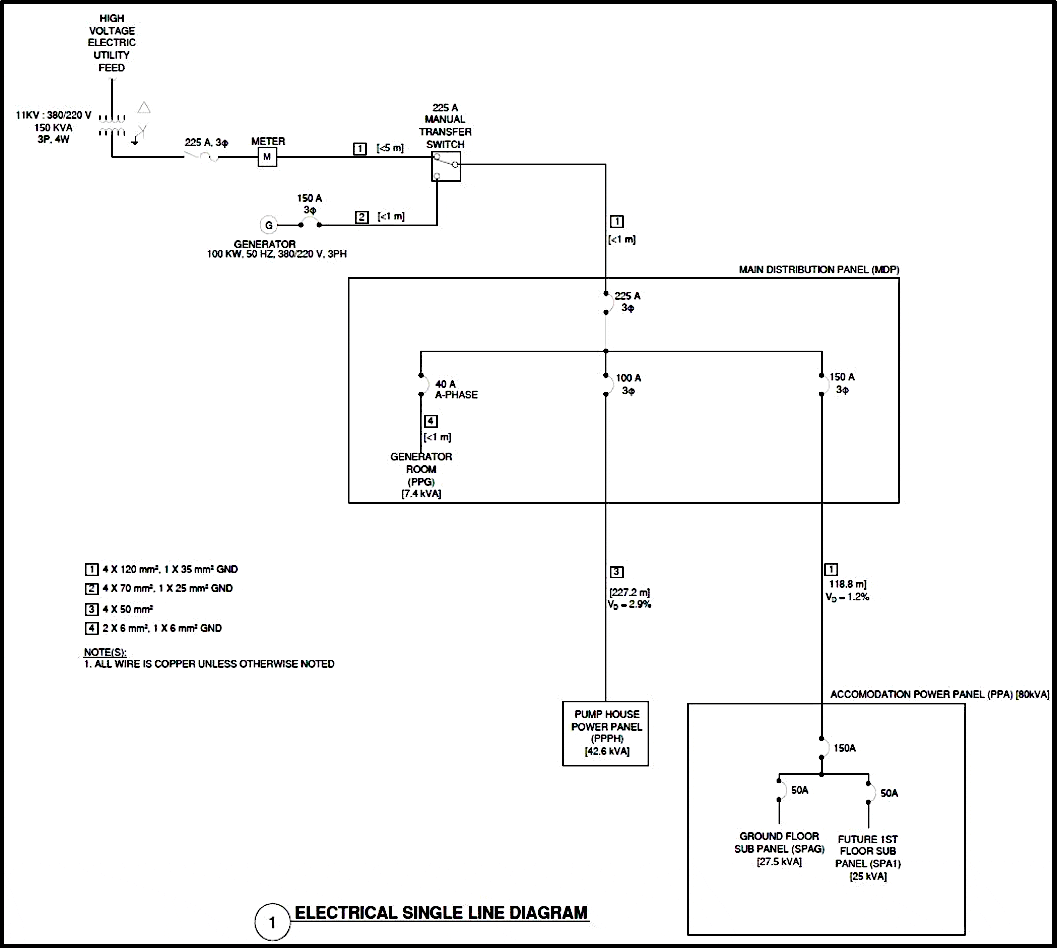
The Single Line Diagram Template, shown here in Figure 2, is an example of a single line diagram for a small site. The two power sources in this example are the public utility and a backup generator.
A project will often require several versions of the single line diagram. The first one should be created as part of the initial site evaluation to capture the existing electrical system. This includes system details, such as existing wire and breaker sizes, as well as all identified hazards or deficiencies in need of correction.
The client must make a choice. Either the generator and feeders to the transfer switch must be upgraded, or separate circuits and panels will be needed for the loads receiving backup power from the generator (up to 100 kW).
Alternatively, the output breaker of the generator should be sized to trip before the generator is overloaded. Loads would have to then be manually turned off when the site is on generator power.
Figure 2 – Example Single Line Diagram
The next version of the single line diagram will be created during conceptual design to show proposed changes to the existing system. This can be done by showing changes to the existing diagram (such as using a dashed line type to show new wiring and components). However, if the project is proposing significant additions and subtractions, it is often more clear to create a new single line diagram.
For presentation purposes, the two diagrams can be juxtaposed to show a before and after. The conceptual single line diagram should include power source and main breaker sizing, but no further details are necessary.
If the project proceeds to detailed design, the electrical designer will perform additional analysis. These details should be added to a new version of the single line diagram.
Electrical Site Plan
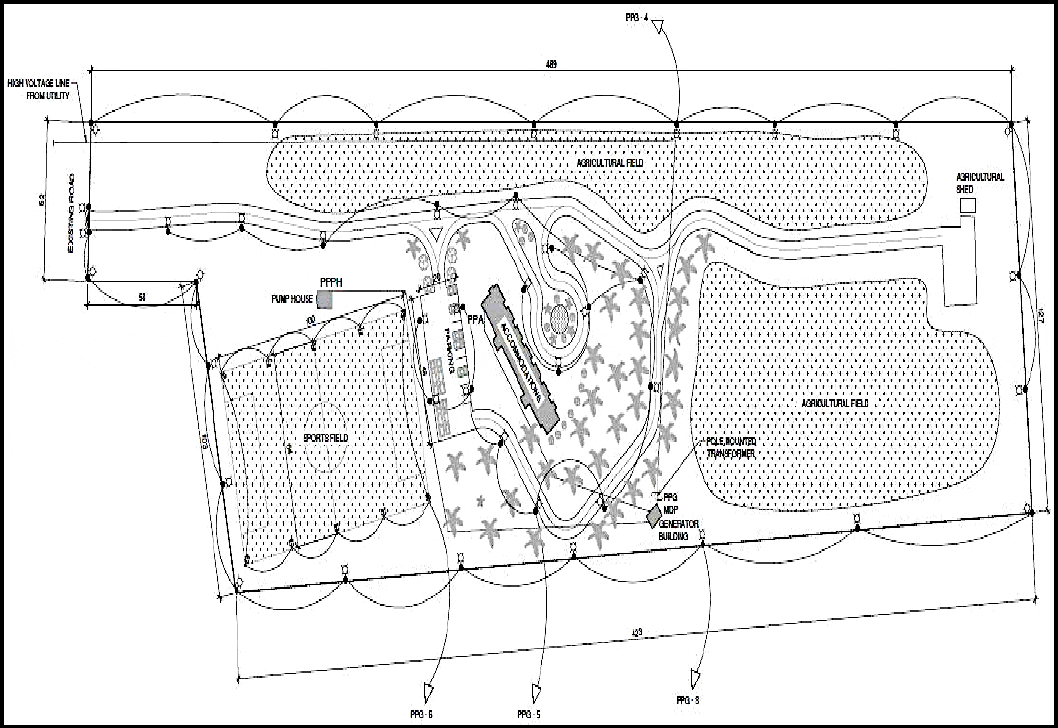
The Electrical Site Plan Template, shown here in Figure 3, details how the electrical system will be laid out across the site. It shows all the main feeder cables and their routing as well as all the site lighting.
The names and locations of the main panels (MDP, PPG, PPA) are also specified.
Figure 3 – Example Conceptual Electrical Site Plan
Electrical Load Study
An electrical load study helps determine the proper size of an electrical system. Existing systems can be measured using a PQA or energy logger. Basic clamp ammeters can also be used, but that creates the tedious burden of logging the data at regular intervals for a long duration (every 15 minutes for several days is desired).
The load study for proposed construction must be estimated. The Spreadsheet (download at bottom) is a template for this process. General loads are estimated for each structure by measuring the useable area and multiplying by total power density. If the designer does not have normal power density information for the region, such data can be obtained by visiting representative buildings in the local area.
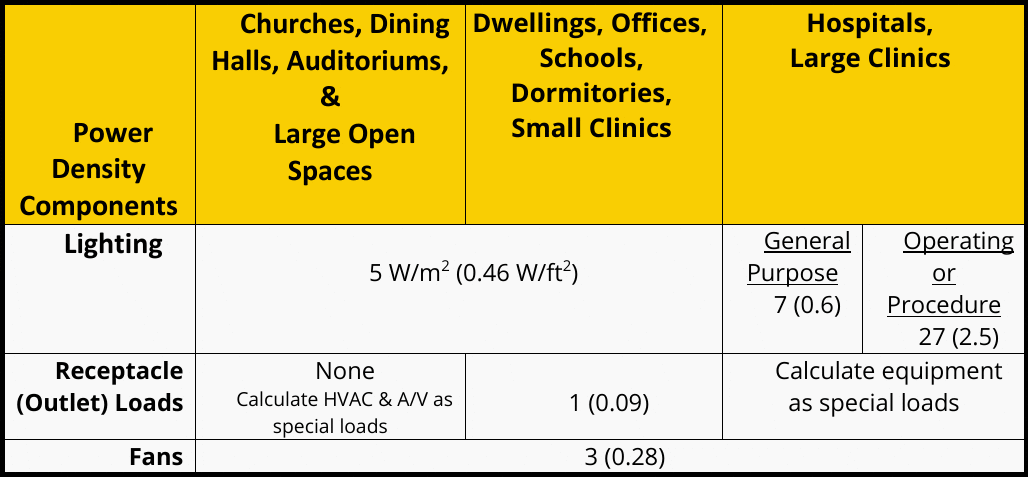
Barring that, Table 1 can be used for initial calculations.
Table 1 – Power Density Estimates by Structure Type
Special loads are calculated for each structure by multiplying the number of items of each special load type by their respective power consumption. The maximum demand is the sum of general and special loads.
The next step is to determine the percentage of time loads are expected to operate. This is called the demand factor. Determining demand factors should be guided by input from the ministry and observed patterns of use. For example, in a recent project, the air conditioners were given a demand factor of 75% because the client specified that no more than 75% of would be used simultaneously.
Detailed Electrical Design
If the project will advance to detailed design, the following additional deliverables will be required of the electrical designer.
| Title: | Electrical Design Guide – Engineering Ministries International |
| Format: | |
| Size: | 1.6 MB |
| Pages: | 34 |
| Download: | Here 🔗 (Get Premium Membership) | Video Courses | Download Updates |
| Download XLS: | Right here | Video Courses | Membership | Download Updates |
Further Study – Five Construction Issues That Do Not Follow the Engineering Design
Five Construction Issues That Do Not Follow the Engineering Design (And Why They Matter)