

 Restricted Earth Fault Protection (REF) Course: Principles, Relays, Schematics and Settings
  Transformer Differential Protection Course: Understanding Schematics, Relay Settings and Testing
 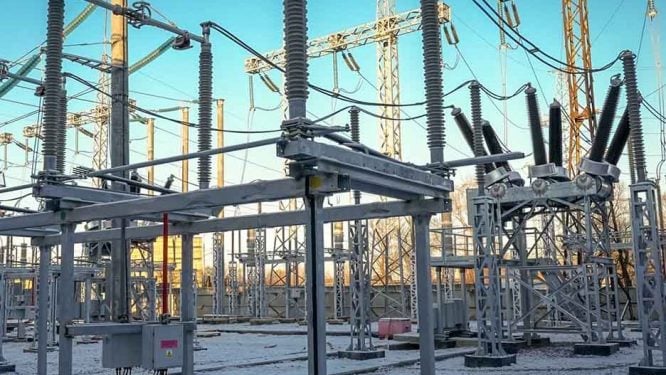 Learn to Analyse Faults in Power Systems: Theoretical and Real-World Examples
 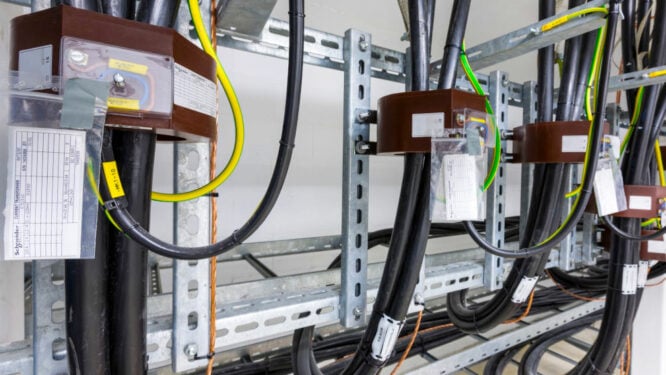 Practical Course to Current Transformers (CTs): Specifications, Testing and Examples in Protection and Measuring Applications
 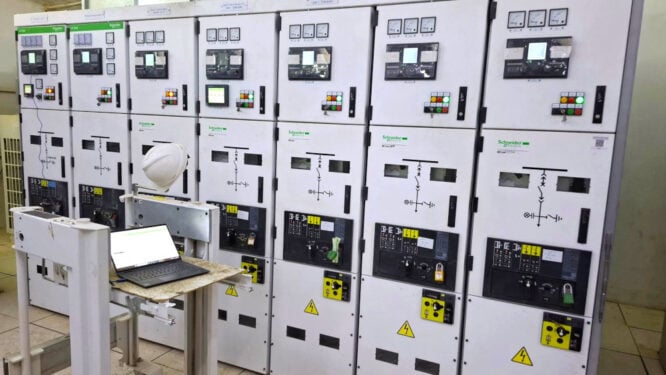 Practical Course to Medium Voltage Infrastructure and Power Distribution
 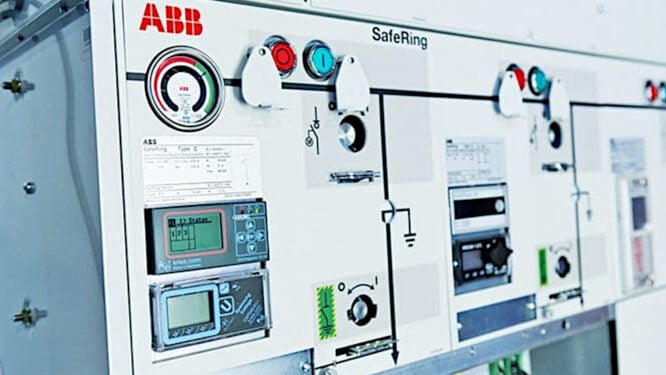 Practical Course to Ring Main Unit and Medium Voltage Cables in Ring Power Distribution Systems
  Learn AC Distribution Panel Drawings: Single-Line Diagrams, Wirings, and Interlocking Schematics
  Mastering Power Substations: Electrical Equipment, Busbar Schemes and Relay Protection
  Power Engineering Course: Relay Control and Protection For LV/MV/HV Switchgear
  AC Circuits Analysis: Real, Reactive and Complex Power Calculation
  Gas-Insulated Switchgear Course: Design, Installation, Operation and Maintenance, Testing
  Advanced Course in Proper Grounding and Fault Mitigation
Description
This course deals with the method of symmetrical components, which is used to simplify asymmetrical three-phase voltages and current analysis. The method of symmetrical components converts the unbalanced system into two sets of balanced phasors and a set of single-phase phasors or symmetrical components. These sets of phasors are called the positive, negative, and zero sequence components.
An understanding of this method is essential for the understanding of fault analysis and modern-day protection schemes. This course will provide you with the knowledge to comprehend the concept and how it is applied.
Course Summary
- Introduction
- Symmetrical Components Overview
- The Components
- The “a” Operator
- Working with the “a” Operator
- Synthesis Equations
- Problems and Solutions
- The Final Exam With 19 Questions
For information, please visit the course page:
Symmetrical Components of Three-Phase Power Analysis and Fault Studies


Reviews
There are no reviews yet.