
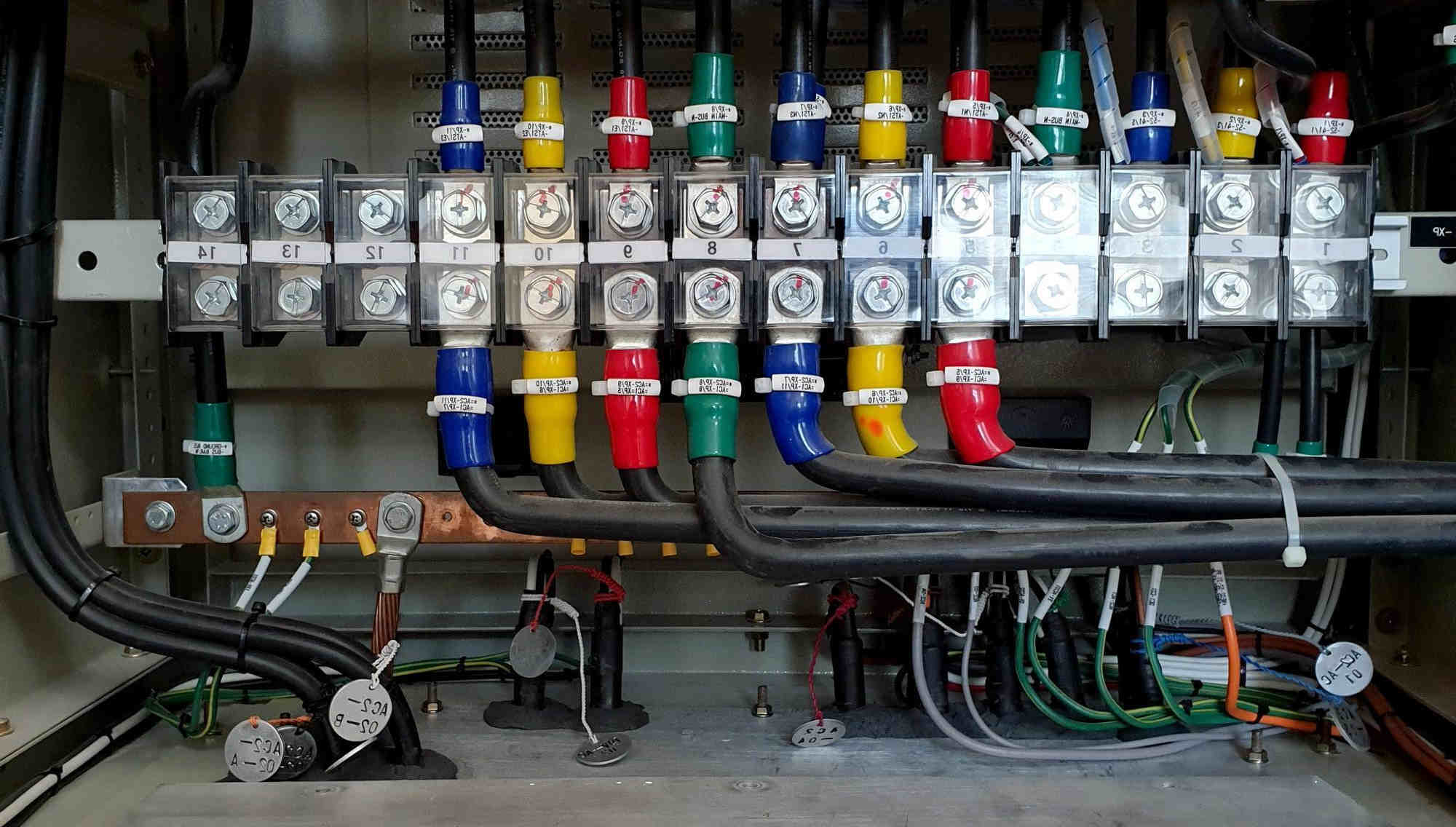
Low Voltage Electrical Wiring Course for 120/240 Volt Systems

Course Description
This course is designed to build real-world competency in low voltage electrical wiring for 120/240-volt residential and light commercial systems. Developed specifically for entry-level engineers, technicians, apprentices, and vocational students, the course bridges the gap between electrical theory and practical field application.
The course includes five chapters, with a total duration of 2 hours and 27 minutes.
Each chapter builds logically on the previous one, reinforcing understanding while increasing technical depth.
Safety and code compliance are integrated throughout the program. Emphasis is placed on hazard recognition, proper de-energization procedures, personnel classification, and lockout/tagout principles. National Electrical Code (NEC) requirements are woven directly into instruction so that students learn code-compliant practices as part of every topic rather than as a separate subject.
Key areas of study include:
- Electrical fundamentals and circuit analysis
- Interpretation of electrical drawings and wiring diagrams
- Electrical boxes and their selection, cable types, and connectors
- Switches, receptacles, GFCI and AFCI protection
- Wire sizing, load calculations, and voltage drop
- Grounding and bonding systems
- Power panel layout and service equipment
- Systematic troubleshooting methods
By completion, students will be able to read and interpret electrical diagrams, calculate residential circuit loads, select proper conductor sizes, install common wiring devices, apply grounding and bonding requirements, work confidently with panels and service equipment, and diagnose common wiring faults.
This program prepares learners for entry-level professional competency in residential and light commercial electrical work—turning foundational knowledge into practical capability.
Course Summary
- Low Voltage Electrical Wiring – Introduction and Download Materials
- LV Wiring the Basics
- LV Wiring – Boxes, and Connectors
- LV Wiring – Grounding
- LV Wiring – Switches, Receptables and Connections
Who Is This Course For
Electrical Engineers, Electricians, Students, Maintenance Personnel.
Requirements
Basic electrical awareness
Downloadable course materials
After purchasing the course, students can download the course-related documents (PDF, XLSX):
- Earthing system design tool for low voltage installations (XLSX)
- Design And Analysis of Low Voltage Power Systems (PDF)
- Safe isolation procedures for low voltage installations (PDF)
- Solutions For Power, Control, Safety and Energy Efficiency In Low Voltage Applications (PDF)
- Guide to low voltage electrical system design and selectivity (PDF)
- Low voltage switchgear and controlgear application guide (PDF)
NOTE: Download materials is located in the first lesson under the tab Materials.
About Instructor



 +12
enrolled
+12
enrolled
Course Includes
- 5 Lessons
- 1 Quiz
- Course Certificate
- Lifetime Access
