
 AC Circuit Analysis: Fundamentals Course for Electrical Engineers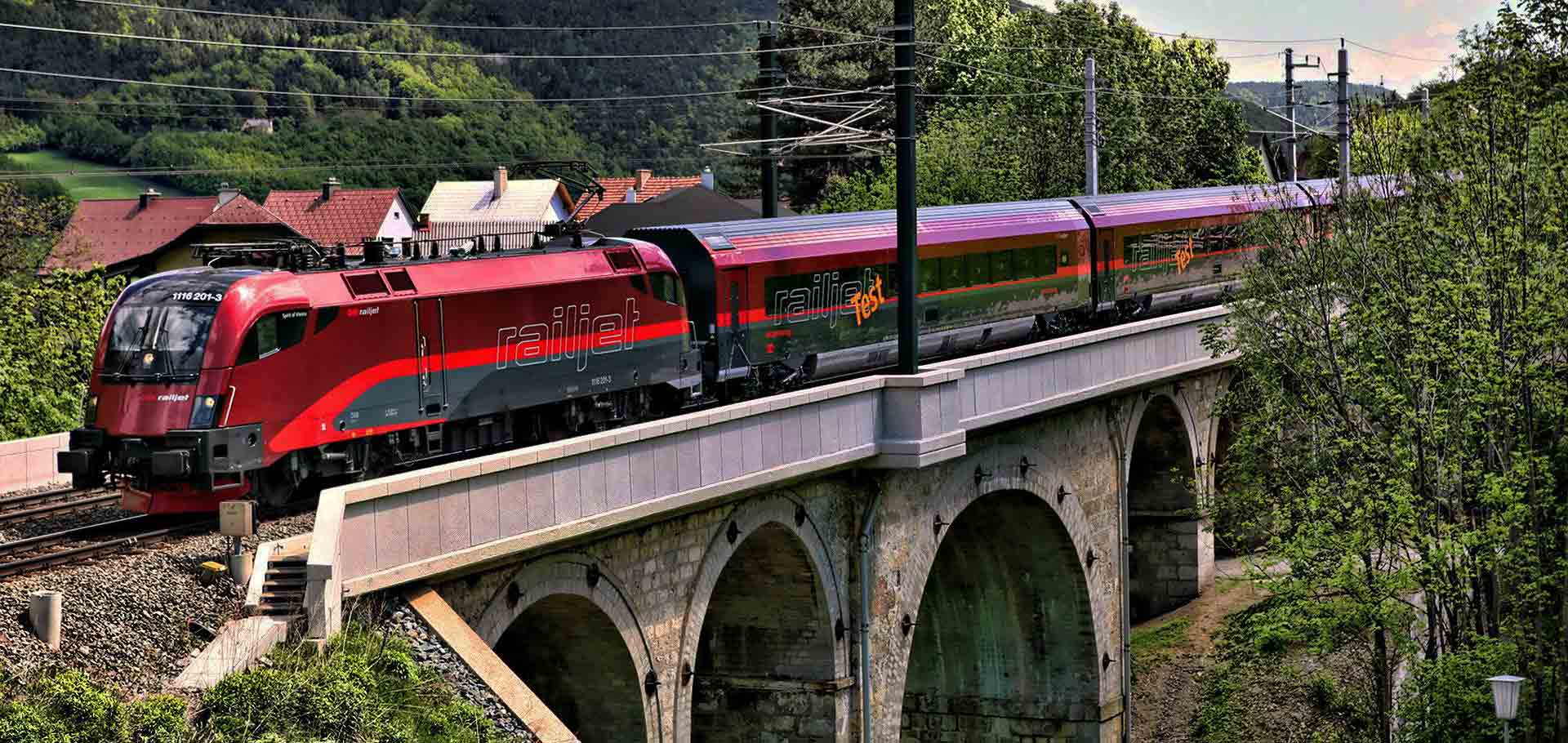
Practical Course to Modern Electric Traction Engineering

Course Description
This course is dedicated to engineers involved or want to be involved in Electric Traction Engineering. It’s crafted to deepen your understanding and expertise in modern rail systems. The goal of this course is to provide you with the skills and information necessary to succeed in the Electric Traction profession. It covers everything from basic ideas to sophisticated applications.
The course consists of 6 sections with 45 lessons in 4h 51min. total length.
The course consists of the following sections:
1. Introduction to Electric Traction
You will learn the fundamentals and importance of electric traction in today’s transportation in this introductory session. Learn how electric traction systems came to be and how they changed the face of rail travel.
Once you finish this subject, you will understand the basics of electric traction engineering and be prepared to go farther into the field.
2. Track Electrification Systems
Delve into the complex workings of track electrification systems, covering several configurations and technologies that power railways. Get a feel for the benefits, uses, and differences of DC and AC traction systems. Learn everything there is to know about track electrification and the vital role it plays in railway operations by looking at real-world examples and case studies.
3. Components in Electric Traction
Learn how collector gears and pantograph systems, two of the most fundamental parts of electric traction systems, work together to keep railway operations running smoothly. Learn the ins and outs of OHE and how to optimize performance by controlling leakage currents.
When you finish this subject, you will have a solid grasp of the fundamentals that propel electric traction engineering ahead.
4. Speed-Time Curves of a Train
If you want to know how trains move and perform, you need to grasp the mechanics of speed-time curves. Learn to evaluate and comprehend speed-time curves efficiently by exploring different sorts of curves. You will learn how to maximize train efficiency and speed in different operating situations through real-world scenarios.
5. Tractive Effort and Equations of Train Motion
Improve your rail system’s propulsion and energy efficiency by learning the ins and outs of tractive effort and train motion equations. Learn how to compute power output, energy output, and specific energy output for various scenarios as you explore these ideas.
No matter your level of expertise or interest in railways, “Practical Course to Modern Electric Traction Engineering” provides a great and thorough introduction to the subject that will help you succeed in the ever-changing industry.
Course Summary
- Introduction to Electric Traction
- Track Electrification Systems
- Components in Electric Traction
- Speed-Time Curves of a Train
- Tractive Effort and Equations of Train Motion
Requirements
You don’t need any particular background knowledge to take this course.
Who Is This Course For
- Future electrical or transportation engineers
- Railway enthusiasts interested in learning more about electric propulsion
- Academics specializing in electrical or transportation engineering
Downloadable course materials
After purchasing the course, students can download the following documents:
- Course Slides For Students (PDF)
- Power Supply Installation In Electric Traction (PDF)
- Electric Traction: Power System Stability (PDF)
- Railway Traction In Power System (PDF)
- Electric Traction – Motive Power and Energy Supply – Basics and Practical Experience (PDF)
Course Content
About Instructor

 +12
enrolled
+12
enrolled
Course Includes
- 6 Lessons
- 44 Topics
- Course Certificate
- Lifetime Access
